
Survival
Surviving a Scam With Your Friends shift: scambaiters, computer viruses, police raids, air strikes and office chaos, with the response that protects your quota.
Introduction
Survival covers the things that are actively trying to end your shift. Scam With Your Friends is not a calm simulation of office work: scambaiters call back looking for revenge, computer viruses throw popups across machines, and police raids and air strikes land as workplace disasters rather than scripted losses. On top of that sits a deliberately chaotic office floor where props go missing between levels and coworkers crowd occupied desks. None of these hazards are designed as instant failure states. They are interruptions that cost time, and time is exactly what the daily quota is priced in, which is why the correct response to almost every hazard in this game is the same: stay productive and keep the counter moving.
Hazard Response Table
| Hazard | Warning Sign | Immediate Response | Recovery |
|---|---|---|---|
| Scambaiters | A caller who pushes back hard or calls back on purpose | End the call instead of arguing with it | Return to paid calls — the bait is a time cost, not a threat you defeat |
| Computer viruses | Popups appearing on office machines | Identify which machine is infected before working around it | Infections on laptops were disabled in Hotfix 2 — check the device type first |
| Police raids | An abrupt interruption to the working day | Keep working through it rather than abandoning the floor | Treat it as lost minutes, not a lost run, and rebuild the buffer |
| Air strikes | Another workplace disaster interrupting calls | Stay productive once it resolves instead of idling | Rebank quota before the performance review window closes |
| Office chaos | Missing props and NPC coworkers crowding desks | Clear the desk you need before the next call | Assign a crewmate to tidy-up, or rotate the job each shift |
Hazard Playbook
Scambaiters
Callers whose only goal is to consume your working day, and the diagnosis problem that makes them genuinely expensive.
Computer Viruses
An infection that spreads across the office and interferes with the desk you need, with a Hotfix 2 caveat that changes the answer.
Police Raids
A workplace disaster rather than a scripted loss, which makes it a pure time tax that your morning buffer has to absorb.
Air Strikes
The second disaster category, arriving without warning and usually in the middle of a shift that was already running tight.
Office Chaos And NPC Crowding
The quietest hazard in the game: nothing announces a missing prop or a blocked desk, it simply costs you the call you were about to take.
Core Mechanics
Hazards in Scam With Your Friends are not separate encounters you resolve and move past; they are interruptions layered on top of the working day, and their whole cost is expressed in the minutes they take away from the quota. A scambaiter is the clearest example: there is no correct line that defeats one, because the point of the call is to waste your time, so the only efficient response is to recognise it and hang up. Viruses work differently, infecting office machines and throwing popups that interfere with the desk you need, which makes identifying the affected device the first step rather than a detail. Police raids and air strikes are workplace disasters rather than scripted losses, so they reduce output without ending the run on their own. Underneath all of it is the office itself, where props move between floors and NPC coworkers occupy desks, quietly adding friction to the loop that pays the bills.
Advantages
The good news is that hazards are survivable, and the crew that understands them turns them into routine disruptions. Because none of them are designed as instant losses, the correct play is almost always to keep producing, and a player who has banked a quota buffer in the morning can absorb a raid or a strike without panic. Hotfix 2 also removed one recurring irritation by disabling virus infections on laptops, which means checking the device type is now a legitimate shortcut rather than guesswork. The office chaos rewards organisation rather than reaction: a crew that assigns someone to keep shared equipment tidy spends less time hunting for props and more time on calls, and because the review is shared, that kind of preparation benefits everyone. Recovery is likewise structural — a young run that loses a day still has days left to rebuild.
Challenges
Hazards are among the least documented systems in the game, which makes them frustrating in a specific way: you can lose minutes without ever knowing what decided the outcome. Scambaiters are the sharpest case, because there is no clean signal that a call is a bait rather than a difficult target, and the cost of guessing wrong compounds — spend the time trying to win and you lose it, hang up too eagerly and you lose a real caller. Viruses add a mechanical layer that must be diagnosed under pressure, and the Hotfix 2 change to laptop infections means guidance written before that patch is now partly wrong. Raids and strikes cannot be prevented at all, so they function as pure time tax on a day that may already be tight, and the office floor's own chaos is the most insidious of all because it never announces itself: a missing prop simply costs you the call you were about to take.
Frequently Asked Questions
How do I deal with scambaiters?+
What should I do about computer viruses?+
Can I survive a police raid or an air strike?+
Why do props keep disappearing and NPCs block my desk?+
Quick Tips
Hang up on scambaiters instead of trying to win. Their entire function is to consume minutes you cannot get back, so every extra sentence you spend on one is a direct transfer from your quota to their entertainment. The difficulty is that baiters resemble genuinely difficult callers, so build a simple rule: if a conversation has produced nothing after a fair attempt and the caller keeps pushing, end it. Recovered minutes spent on a real caller always beat a conversation you were never going to win.
Check the device type before treating a virus as a problem. Hotfix 2 disabled virus infections on laptops, so an apparently infected office is not automatically the situation the old guides describe. Identify which machine is actually affected first, then decide whether it needs dealing with at all. This single diagnostic habit saves the time players usually spend applying a pre-patch fix to a case the patch already removed, and it keeps the desk you need available during the busiest stretch of the day.
Treat raids, strikes and office chaos as a time tax, not a defeat. None of them end a run on their own; they remove minutes from a day that is priced in minutes. The correct response to all three is therefore the same — keep producing as soon as you can, and rebuild the buffer before the review window closes. Crews that internalise this stop reacting to interruptions as emergencies and start treating them as an expected cost that an early quota surplus already paid for.
Make office tidying somebody's actual job. Missing props and NPC coworkers blocking desks are the quietest hazards in the game because they never announce themselves; they simply cost you the call you were about to take. In a lobby, assigning and rotating the cleanup role keeps the shared floor usable without dumping the work on one player every shift. Playing solo, limit yourself to keeping the single desk you use clear, and leave the rest of the office to be as chaotic as it wants to be.
Featured
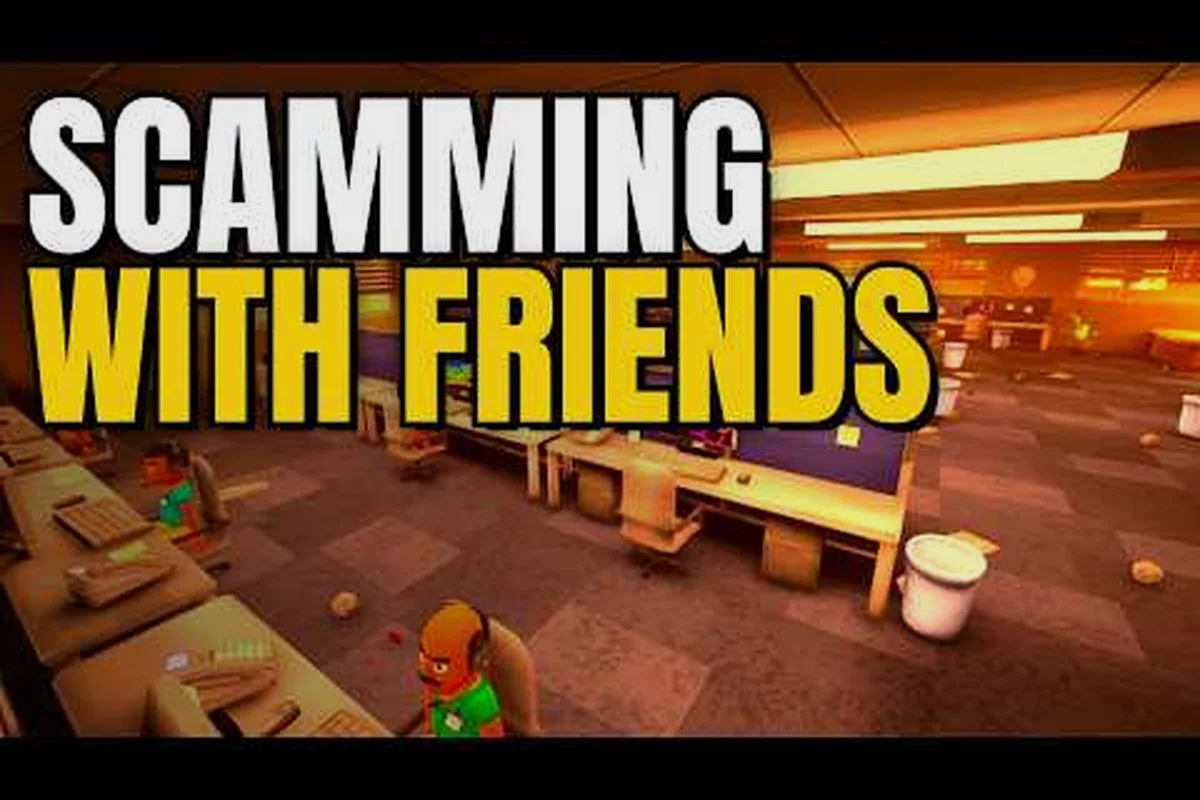
Scam With Your Friends Avoiding Scambaiters and Raids
Master scam with your friends avoiding scambaiters by spotting fake marks early, dodging the police raid, and surviving air strikes mid-shift.
Scam With Your Friends Crash Out: Stay Calm Between Calls
Stop the Scam With Your Friends crash out spiral with better time management between calls, office chaos triage, and prop cleanup that keeps momentum alive.
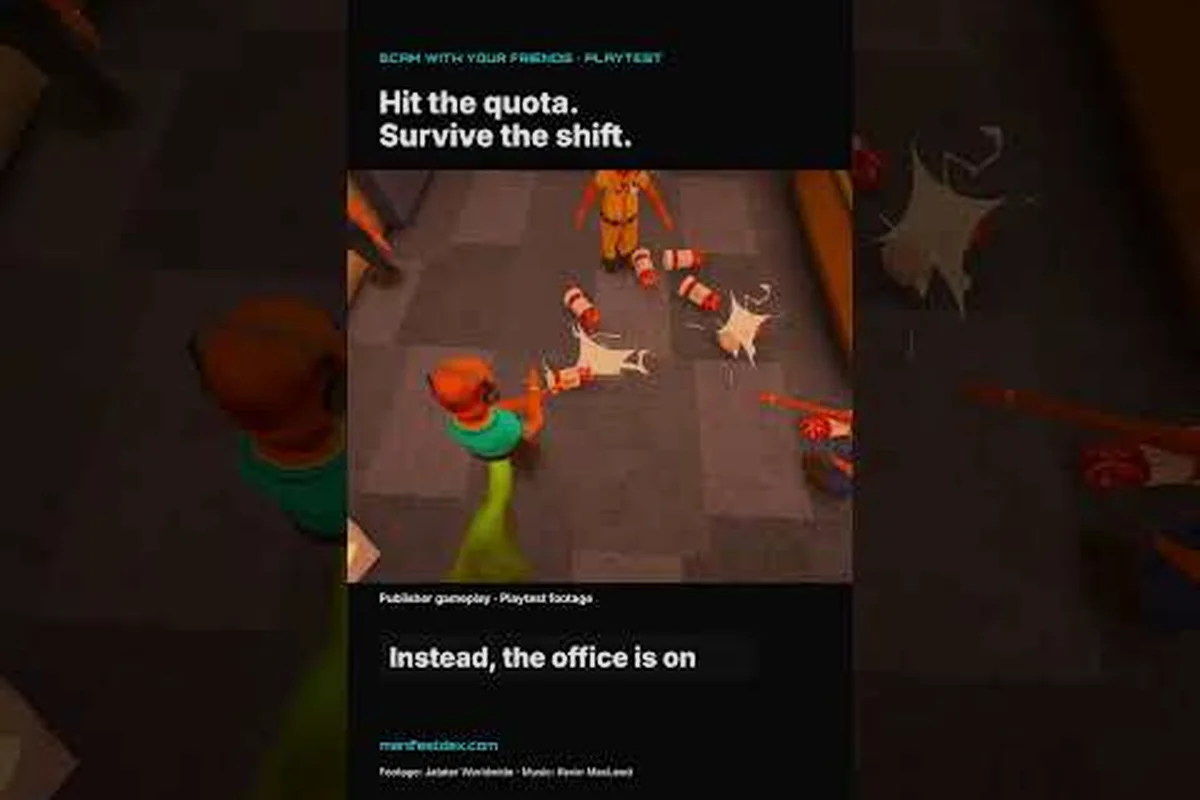
Scam With Your Friends Hostile Callers: Rage & Emergency Response
Handle Scam With Your Friends hostile callers by defusing caller rage, running emergency response drills, and protecting office safety when an angry caller snaps.
All Articles

Scam With Your Friends How to Remove Virus Popups Fast
Learn scam with your friends how to remove virus popups before they brick your laptop, covering the worst infections and the cleanup order that saves your shift.
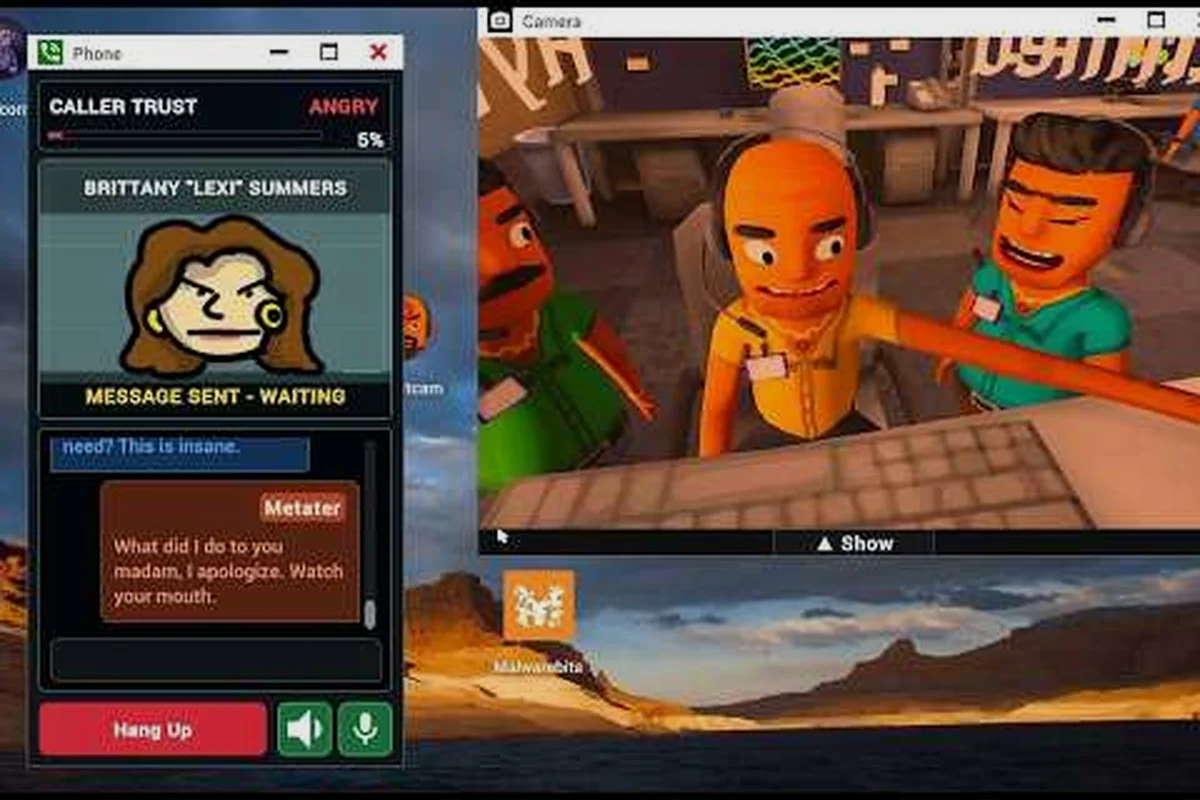
Scam With Your Friends Office NPCs: Stuck Props & Stairs
Understand scam with your friends office npcs, from stairs navigation quirks to stuck and missing props that force a restart after disaster.
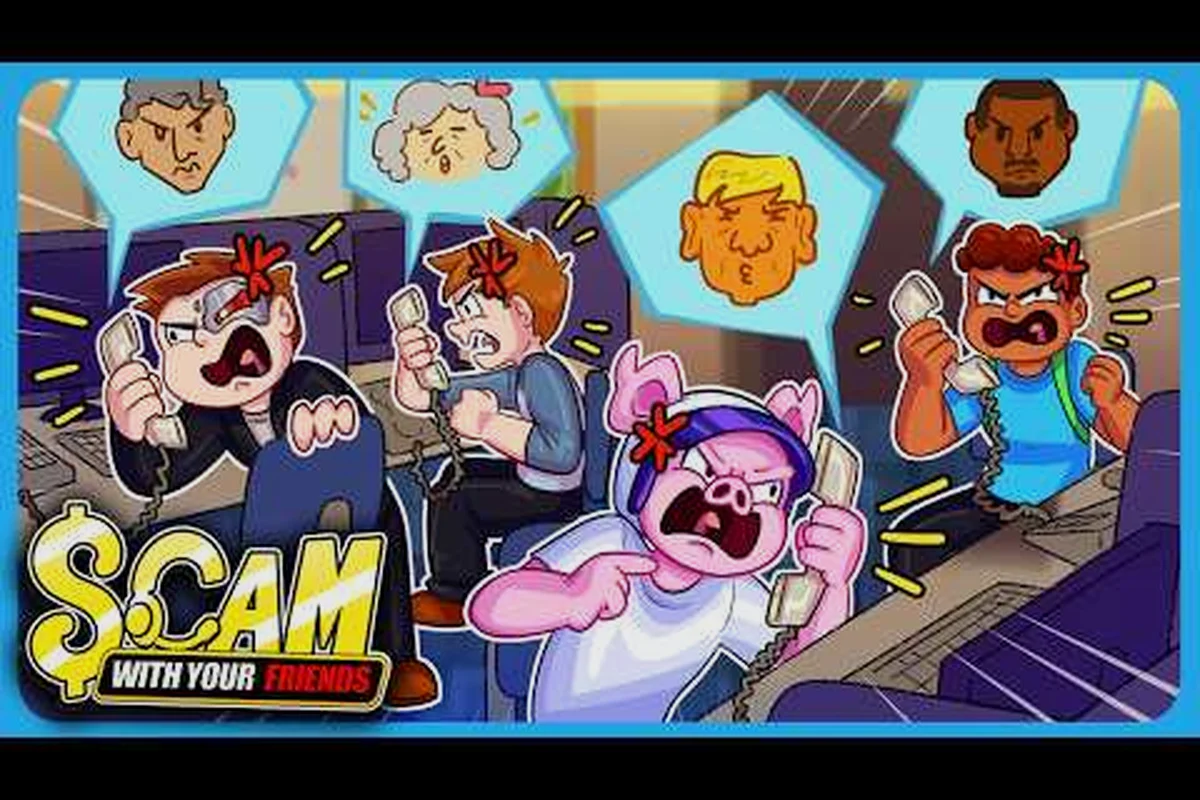
Scam With Your Friends Survival Tips for Unexpected Events
Brace for Scam With Your Friends unexpected events with survival tips on disaster recovery, viruses, scambaiters, and the distractions that wreck a clean run.
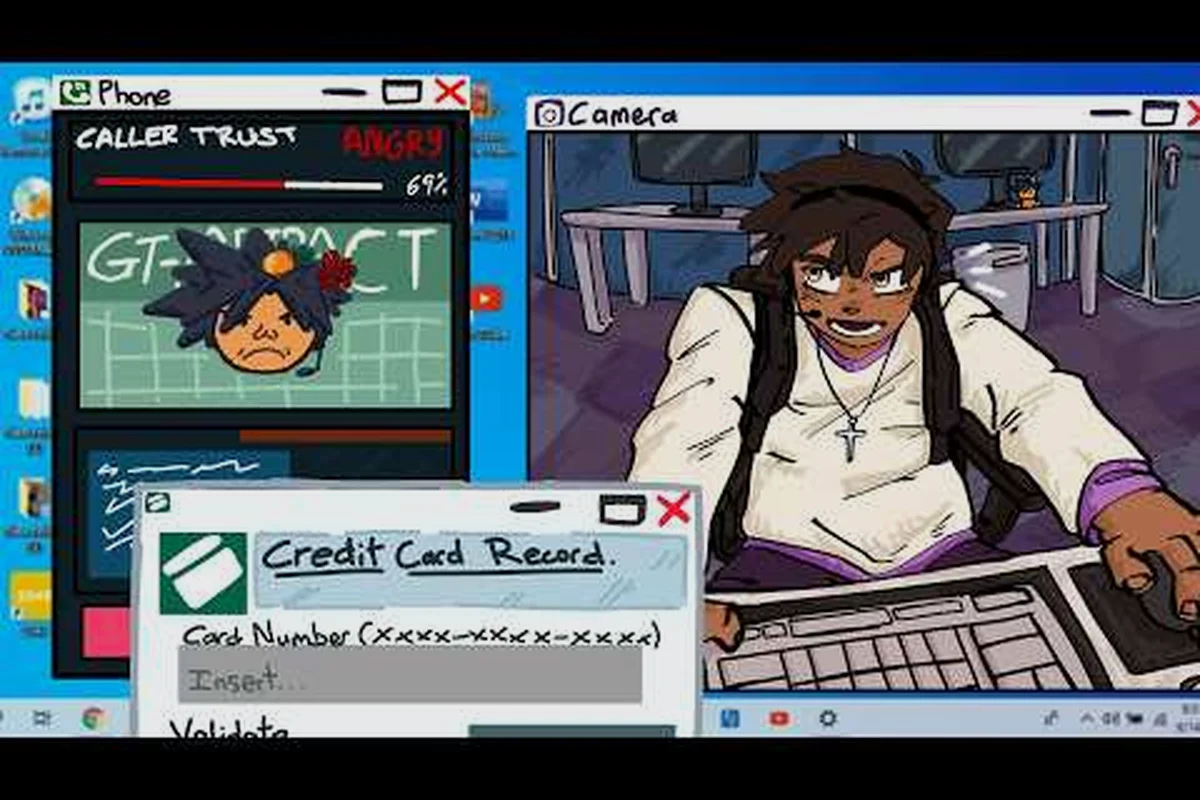
Scam With Your Friends Survive a Bad Day After Quota Fail
Learn scam with your friends survive a bad day tactics that keep you from getting fired when quota fails and the office descends into chaos.