
Multiplayer
Scam With Your Friends co-op explained: 1 to 8 player lobbies, join codes, Steam invites, public lobby filters, version matching and how to split roles across a crew.
Introduction
Multiplayer covers everything that happens once more than one person is standing on the office floor. Scam With Your Friends supports crews of up to eight, and the difference between a solo shift and a full lobby is not just volume, it is structure: with several players you can cover the phone, the victim machines and the office floor at the same time, which is the only way to keep the quota moving when the day turns chaotic. That also makes lobby setup worth doing properly. Hosting, join codes, Steam invites and the public lobby filters all determine whether the crew actually ends up in the same room, and a mismatch in game versions is enough to make a plan fall apart before the first call. This section collects the practical detail so the setup step does not eat the shift.
Lobby Options
| Feature | Range | Where To Find It | Notes |
|---|---|---|---|
| Lobby size | 1 to 8 players | Lobby setup | Full tables let you split phone, hacking and cleanup duties |
| Join by code | One code per lobby | Join screen | Accepts Steam invite links and flags invalid codes instead of failing silently |
| Public lobby filters | Player count and country | Public lobby browser | Includes a 'My version first' sort option to avoid version mismatches |
| Steam invites | Friend list | Steam overlay | Convenient, but agree on voice setup before the first call lands |
| Role split | Free-form | In-run decision | Callers, hackers and cleanup cover the three pressures that actually end shifts |
Lobby Setup
Lobby Size
How many desks are actually covered, and whether a disastrous late call costs one player time or the entire crew's review.
Join By Code
The fastest way to reassemble a crew that is already talking outside the game, provided everyone is on the same build.
Public Lobby Filters
The browsing options that stop a group silently failing to connect, including the version-first sort that most players never open.
Invites And Voice Setup
Two minutes of preparation that prevents the most avoidable failure mode in co-op: four players discovering their microphones disagree mid-call.
Role Split
Because the quota and the review are shared, dividing the work well matters more in co-op than maximising any single player's output.
Core Mechanics
A lobby in Scam With Your Friends is a shared run rather than a shared scoreboard: everyone works the same quota, on the same floor, against the same performance review. That single fact drives most of the tactical advice. Because the review is collective, a crew succeeds or fails together, which makes covering a weak spot more valuable than maximising your own output. The lobby itself is built around three setup decisions. Size determines how many desks are occupied and therefore how many distinct jobs can happen at once. Joining determines how players arrive: a code, a Steam invite, or the public lobby browser with its player-count and country filters. Version agreement determines whether all of that holds together, which is why the public browser offers a 'My version first' ordering instead of sorting purely by population. Once the shift starts, the floor is shared space: props move, coworkers crowd desks, and a hazard that lands on one player quickly becomes everyone's problem.
Advantages
Playing with a full crew multiplies what a shift can absorb. One player holding a conversation while another searches a victim machine effectively doubles the usable minutes in a day, and a third keeping the office tidy prevents the quiet losses that come from a missing prop or a blocked desk. Because the quota is shared, a strong player can carry a weaker one through a bad stretch, which makes the mode considerably more forgiving than solo play for anyone still learning the loop. Lobby filters help beyond the setup screen as well: ordering public lobbies by version first avoids the mismatch that silently splits a group, and filtering by player count lets a smaller crew find a lobby that matches what they actually want to play. Finally, many of the game's best moments come from the shared improvisation, which is what the co-op framing is really for.
Challenges
Co-op introduces failure modes that solo play simply does not have. The most common is the version mismatch: if one player is on a different build from the rest, the group can fail to connect at all, which is exactly why the public browser sorts by version first. Voice setup is the second recurring problem, because the game leans on speech recognition and a crew with mismatched microphone configurations spends the opening minutes debugging instead of calling. Shared space is the third: the office is deliberately chaotic, and a crowded floor means props disappear between floors and unused equipment gets pushed around by whoever is standing nearest. In a full lobby those small disruptions arrive faster than one person can fix them, so a crew needs someone willing to do the unglamorous work.
Frequently Asked Questions
How many players can join a Scam With Your Friends lobby?+
Why can I not join my friend's lobby?+
How should a full crew split the work?+
Do public lobbies have any rules?+
Quick Tips
Agree on voice setup before the first call lands, not after. The game leans on speech recognition, so nothing ruins an opening shift faster than four people discovering their input devices disagree with each other while callers queue up unanswered. Spend two minutes confirming who is speaking, who is typing and whether the in-game voice chat or an outside client is carrying the conversation. That two minutes is the cheapest investment in a co-op day and it prevents the most avoidable failure mode in the mode.
Sort public lobbies by version first, player count second. A lobby full of players on a different build is worse than an empty one, because the join will not complete and the time spent retrying is time nobody is earning. The 'My version first' option exists for precisely this reason, and it should be the first filter you touch. Only once you are grouped with compatible players does whether they are fun to play with become the question worth optimising for.
Give one crewmate the cleanup job, and rotate it. The office is deliberately chaotic: props move between floors, coworkers crowd occupied desks, and shared equipment ends up wherever the last player left it. In a big lobby those small disruptions accumulate faster than anyone notices, and they quietly cost calls. Treating tidy-up as a real role rather than an afterthought, and rotating who does it between shifts, keeps the floor usable without dumping the boring work on one person every day.
Remember the quota and the review are shared. A lobby succeeds or fails as a group, so the efficient play in co-op is often covering someone else's weak spot rather than squeezing out more from your own. If a crewmate is struggling with a caller, take the next call instead of racing them; if someone is mid-search on a victim machine, keep the phone covered. Players who treat co-op as a shared shift rather than parallel solo runs clear reviews considerably more often.
Featured

Scam With Your Friends Cannot Join Friends? Fix It
When Scam With Your Friends cannot join friends, check the Steam invite link, the 8 player lobby cap, and version mismatch before you host again.

Scam With Your Friends Connection Issues Solved
Beat Scam With Your Friends connection issues by fixing voice chat, switching to Discord voice, and locking in the best co-op team roles.

Scam With Your Friends Friends Not Showing Online?
Fix Scam With Your Friends friends not showing online by refreshing the Steam friend list, then fill the party with randoms or a streamer lobby.
All Articles
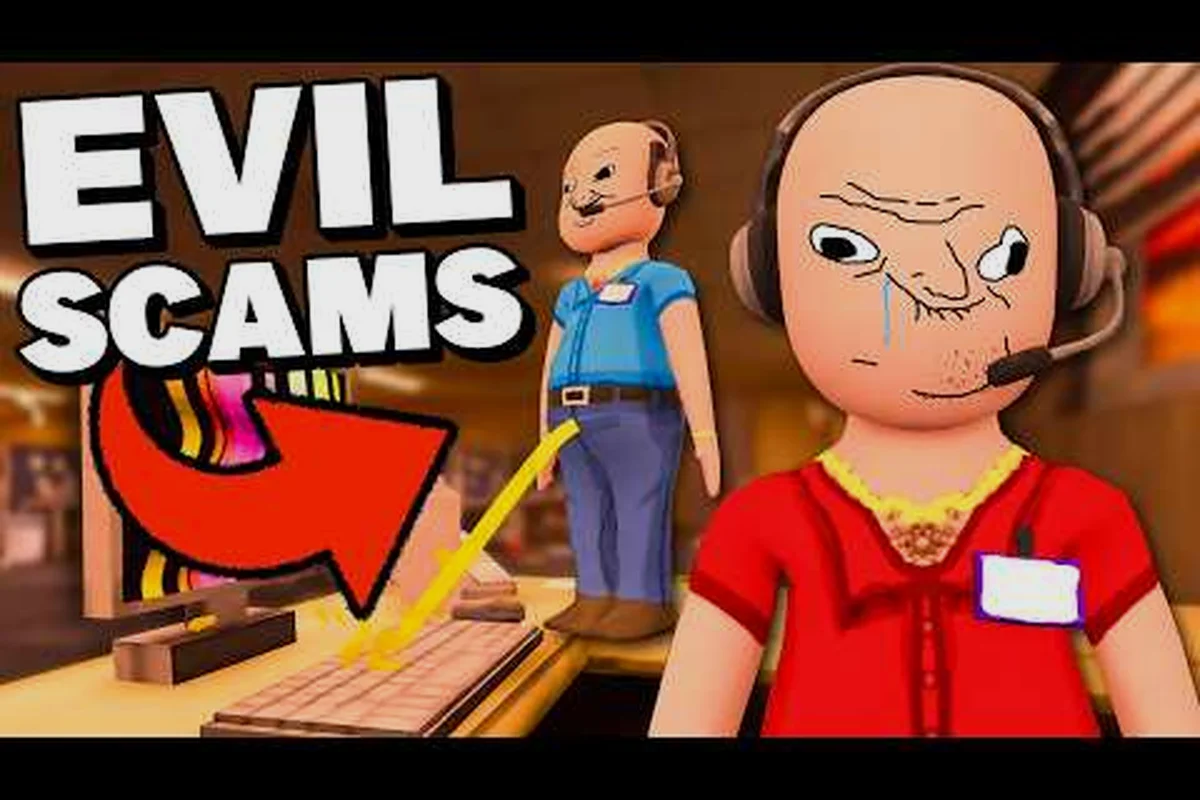
Scam With Your Friends How to Play With Friends
Learn Scam With Your Friends how to play with friends using join codes, public lobbies, and filters that stop the multiplayer lobby from failing.
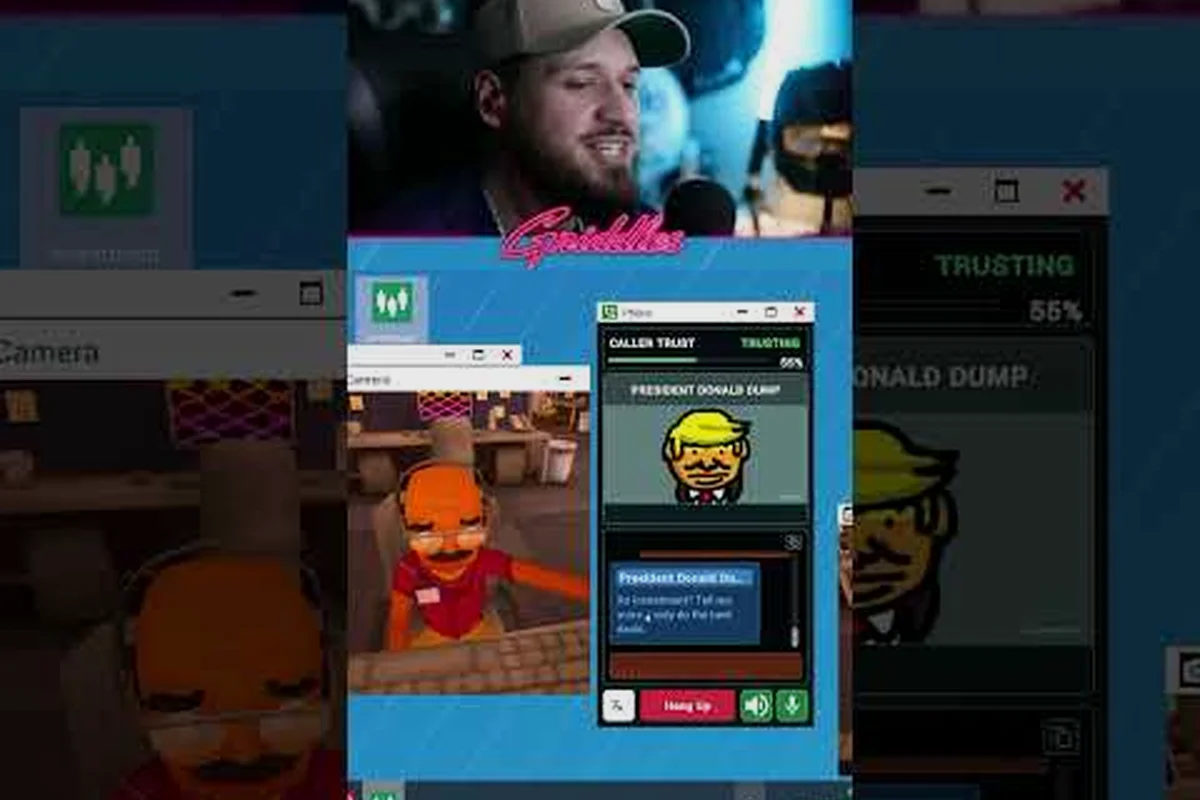
Scam With Your Friends Lobby Host Migration Explained
Keep your co-op run alive when the Scam With Your Friends lobby host migration kicks in, and learn how peer-to-peer handoffs pick the next host mid-shift.
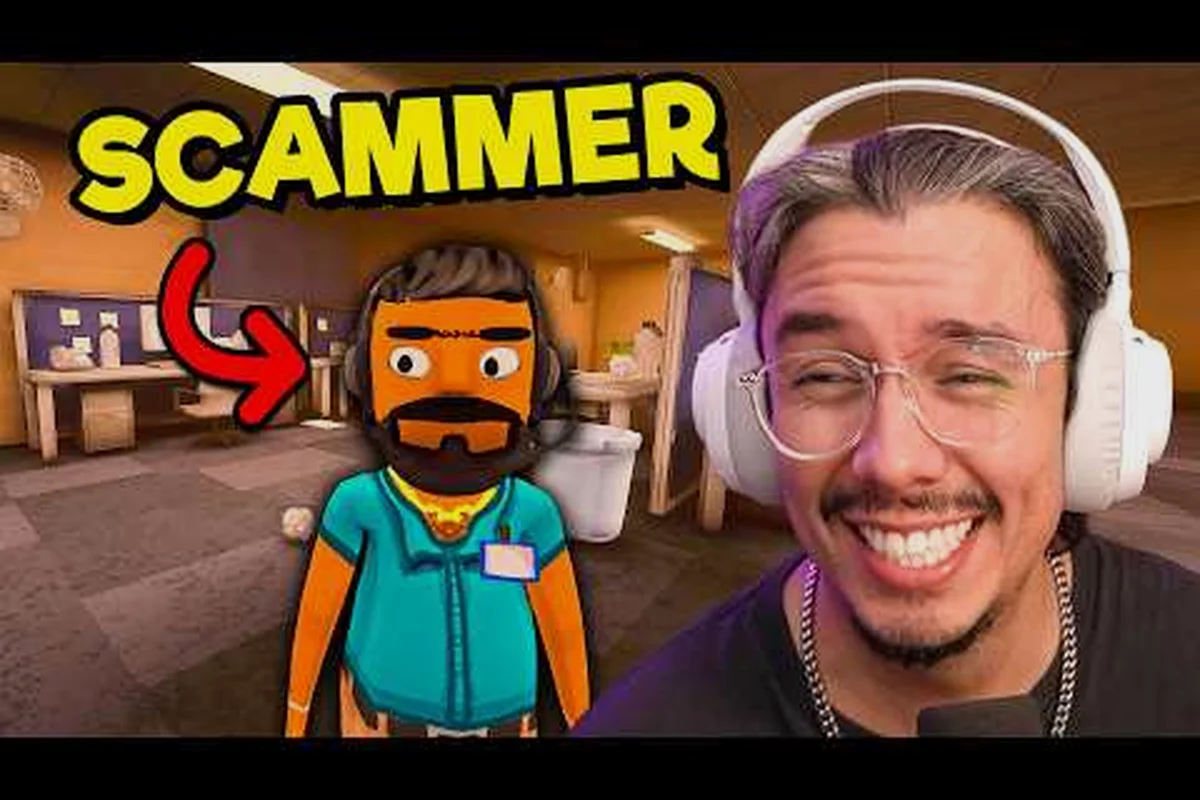
Scam With Your Friends Online Co-op: Host, Desync & Crossplay
Squad up for Scam With Your Friends online co-op and see how hosting, crossplay, and desync fixes shape a clean 1-8 player shift from the first ring.

Scam With Your Friends Split Roles for Co-op Wins
Split Scam With Your Friends roles between caller and hacker, handle playing alone, and respect public lobby etiquette when you join a random run.